Understanding India’s EPR Framework for Plastic Packaging Waste: A Strategic Overview for Businesses
India's growing plastic consumption and increasing packaging waste have made effective plastic waste management a major environmental priority. The Extended Producer Responsibility (EPR) framework for plastic packaging places greater responsibility on businesses for managing plastic packaging throughout its lifecycle. For producers, importers, brand owners, and other relevant stakeholders, understanding EPR requirements is essential for regulatory compliance, responsible waste management, and supporting India's transition toward a circular economy.
1. What is Plastic Packaging EPR?
Extended Producer Responsibility for Plastic Waste:
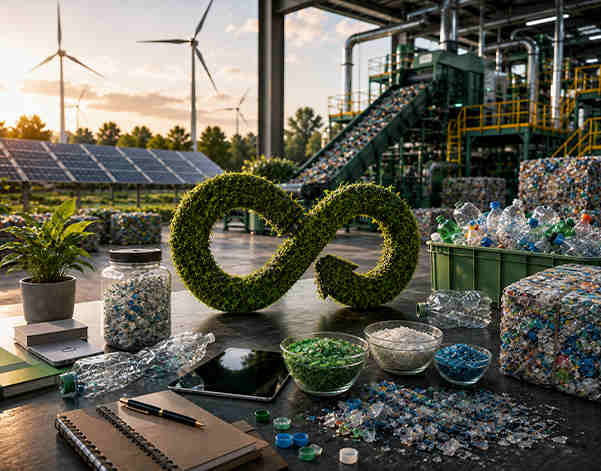
Plastic packaging EPR is a regulatory approach that makes eligible businesses responsible for managing the environmental impact of plastic packaging placed on the Indian market. The framework encourages the collection, recycling, recovery, and responsible management of plastic packaging waste while promoting sustainable production and consumption practices.
2. Who is Covered Under the Plastic EPR Framework?
Understanding Producer Responsibilities:
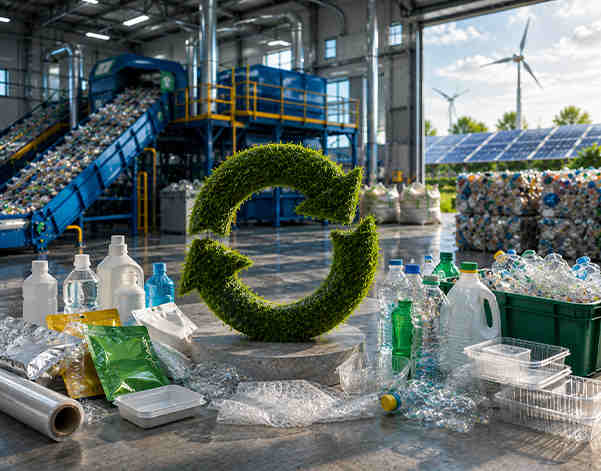
The framework primarily covers Producers, Importers and Brand Owners (PIBOs) involved in placing plastic packaging on the Indian market. Businesses need to determine whether their products and packaging fall within the applicable categories and understand the registration, reporting, recycling, and other EPR obligations applicable to their operations.
3. Plastic Packaging Categories Matter
Classifying Plastic Packaging Correctly:
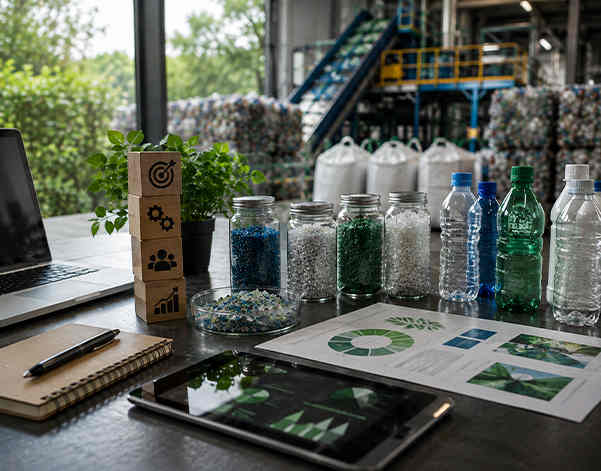
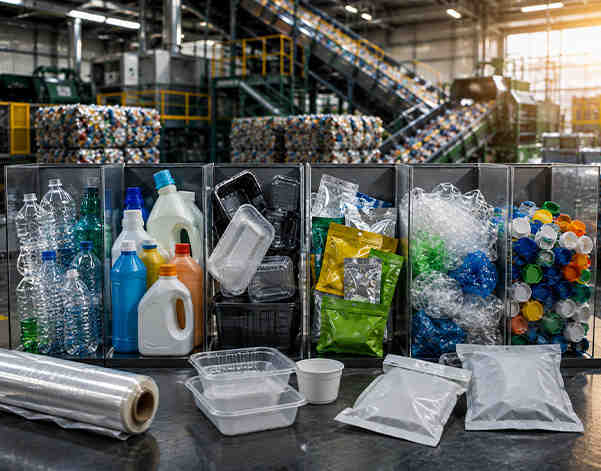
Plastic packaging is classified into different categories under India's regulatory framework. These categories include Category I – Rigid Plastic Packaging, Category II – Flexible Plastic Packaging, Category III – Multilayered Plastic Packaging, and Category IV – Plastic sheets or covers and carry bags and similar products as specified under the applicable rules and guidelines. Correct classification is important because EPR obligations and compliance requirements can depend on the type of packaging placed on the market.

4. Registration and Digital EPR Compliance
Building a Transparent Compliance System:
Eligible businesses are required to follow the applicable registration and compliance procedures through the regulatory EPR system. Organizations should maintain accurate information on plastic packaging introduced into the market, category-wise quantities, recycling activities, and other required information. Reliable data management helps businesses prepare accurate returns and demonstrate compliance..

5. Recycling and EPR Obligations
Taking Responsibility for Post-Consumer Plastic Waste:
One of the key objectives of plastic EPR is to ensure that plastic packaging waste is appropriately collected, recycled, processed, or otherwise managed according to applicable requirements. Businesses need to understand their prescribed EPR obligations, monitor progress, maintain supporting documentation, and work with appropriate registered or authorized waste-management entities.
6. Recycled Content and Sustainable Packaging
Moving Toward Circular Plastic Use:
The EPR framework also encourages businesses to incorporate recycled plastic into packaging where applicable and to improve the circularity of plastic materials. Companies can reduce environmental impacts by increasing recycled content, reducing unnecessary packaging, improving recyclability, and exploring reusable or alternative packaging solutions where technically and economically feasible.
7. EPR Certificates and Traceability
Improving Transparency in Plastic Recycling:
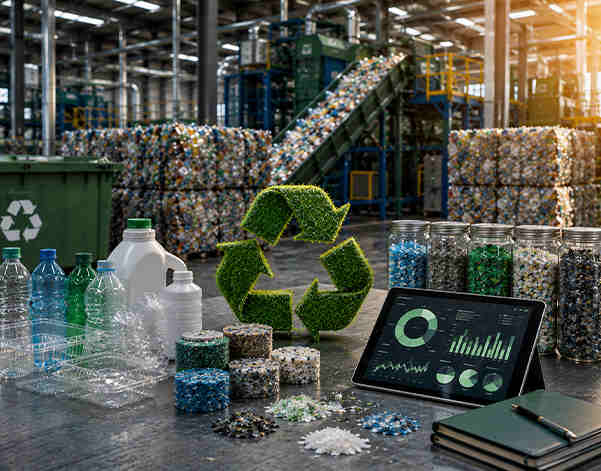
Digital records and EPR documentation play an important role in demonstrating compliance. Businesses should maintain traceable information regarding plastic packaging placed on the market and the corresponding recycling or processing activities. Proper documentation can help organizations monitor EPR performance, support regulatory reporting, and reduce the risk of inaccurate or unsupported claims.
8. How Businesses Can Build an Effective Plastic EPR Strategy
From Compliance to Strategic Sustainability:
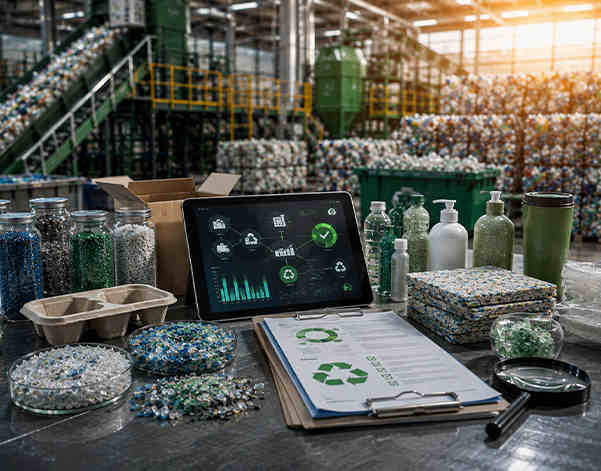
Businesses should begin by identifying all plastic packaging used across their products and supply chains. They can then classify packaging correctly, quantify annual plastic packaging volumes, determine applicable EPR obligations, complete required registration, establish reliable data systems, engage appropriate recycling partners, monitor compliance, and regularly review regulatory updates.