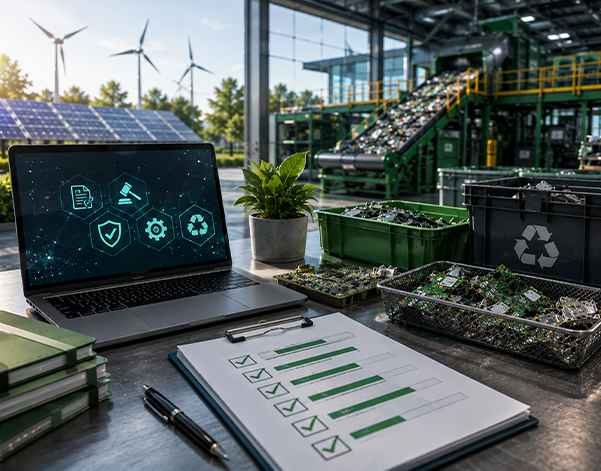
Navigating India’s New E-Waste Management Rules: A Simplified Guide for Businesses
India's rapidly growing electronics industry has increased the generation of electronic waste, making responsible e-waste management an important environmental and business priority. The E-Waste (Management) Rules, 2022, along with subsequent amendments and regulatory updates, have strengthened Extended Producer Responsibility (EPR), registration, recycling, and reporting requirements for businesses. Understanding these requirements can help producers, manufacturers, importers, refurbishers, and recyclers maintain compliance while supporting India's transition toward a circular economy.

1. What is E-Waste Management?
Responsible Management of Electronic Waste:
E-waste refers to discarded electrical and electronic equipment and their components. It may include computers, mobile phones, televisions, appliances, communication equipment, and other electronic products. Effective e-waste management focuses on collection, refurbishment, recycling, recovery of valuable materials, and environmentally sound disposal of residual waste.
2. Who Needs to Follow E-Waste EPR Requirements?
Understanding Producer Responsibilities:
Businesses that manufacture or import electrical and electronic equipment may fall under producer responsibilities under India's E-Waste Management framework. Producers are generally required to understand their product categories, register through the applicable regulatory system, meet EPR obligations, maintain required records, and ensure that e-waste is channelled through appropriate recycling and management systems.

3. EPR is at the Core of the New Framework
Extended Producer Responsibility:
The E-Waste Management Rules, 2022 place greater emphasis on Extended Producer Responsibility. Producers are responsible for meeting prescribed recycling obligations for e-waste generated from products placed on the market. Businesses therefore need to establish reliable systems for tracking products, managing EPR obligations, obtaining required documentation, and demonstrating compliance.

4. Registration and Digital Compliance
Moving Toward Transparent E-Waste Management:
The regulatory framework uses a digital compliance approach for registration, EPR management, transactions, and reporting. Businesses should maintain accurate information relating to products placed on the market, e-waste generation, recycling activities, and applicable EPR obligations. Proper documentation and data management can make regulatory reporting more efficient and reduce compliance risks.
5. Working with Authorized Recyclers
Ensuring Environmentally Sound Recycling:
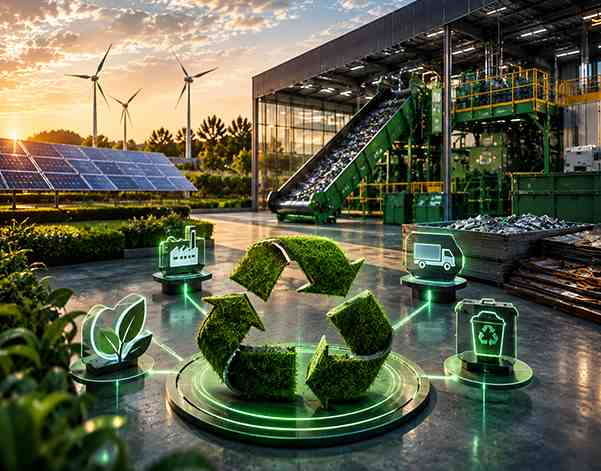
Businesses should ensure that collected e-waste is directed to appropriate authorized or registered entities in accordance with applicable regulations. Authorized recycling facilities can process electronic waste and recover valuable materials while reducing environmental risks associated with informal or improper disposal.
6. E-Waste Recycling Targets and Compliance
Meeting Prescribed EPR Obligations:
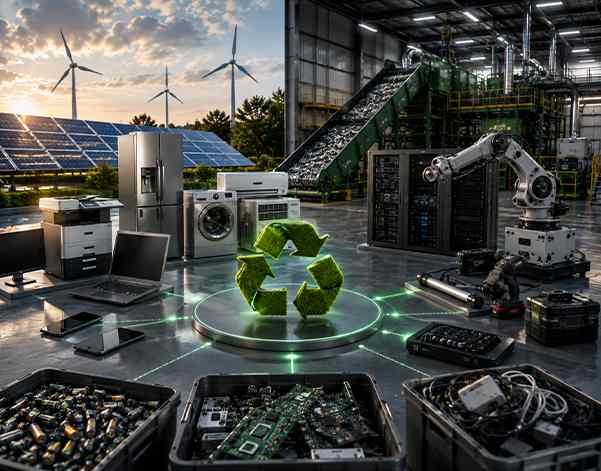
Under the EPR framework, producers are required to meet applicable recycling obligations based on the quantities and categories of electrical and electronic equipment placed on the market. Companies should accurately calculate their obligations, monitor recycling performance, maintain supporting records, and ensure that required EPR targets are fulfilled within the prescribed regulatory framework.
7. Product Design and Circular Economy
Designing Electronics for Sustainability:
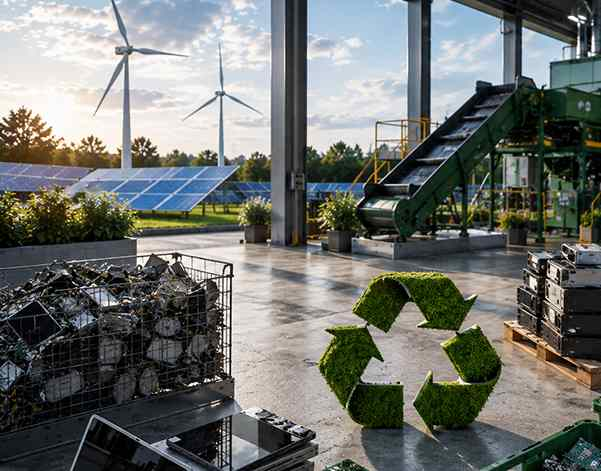
E-waste compliance is increasingly connected with circular economy principles. Businesses can reduce their environmental impact by designing products that are durable, repairable, upgradeable, reusable, and easier to dismantle and recycle. Improving product design can also increase material recovery and reduce the amount of waste requiring final disposal.
8. How Businesses Can Prepare for Compliance
Building an Effective E-Waste Management System:
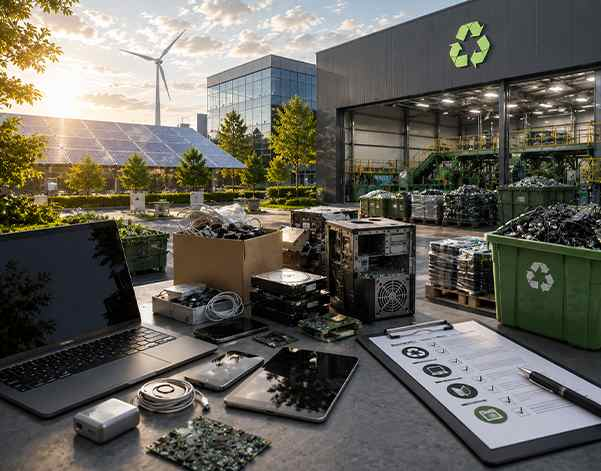
Businesses should begin by identifying whether their products and operations fall within the applicable regulatory requirements. They should then determine their EPR obligations, complete applicable registrations, establish reliable data collection systems, work with appropriate recycling partners, maintain documentation, monitor compliance performance, and regularly review regulatory updates.