Extended Producer Responsibility
What is Extended Producer Responsibility (EPR)?
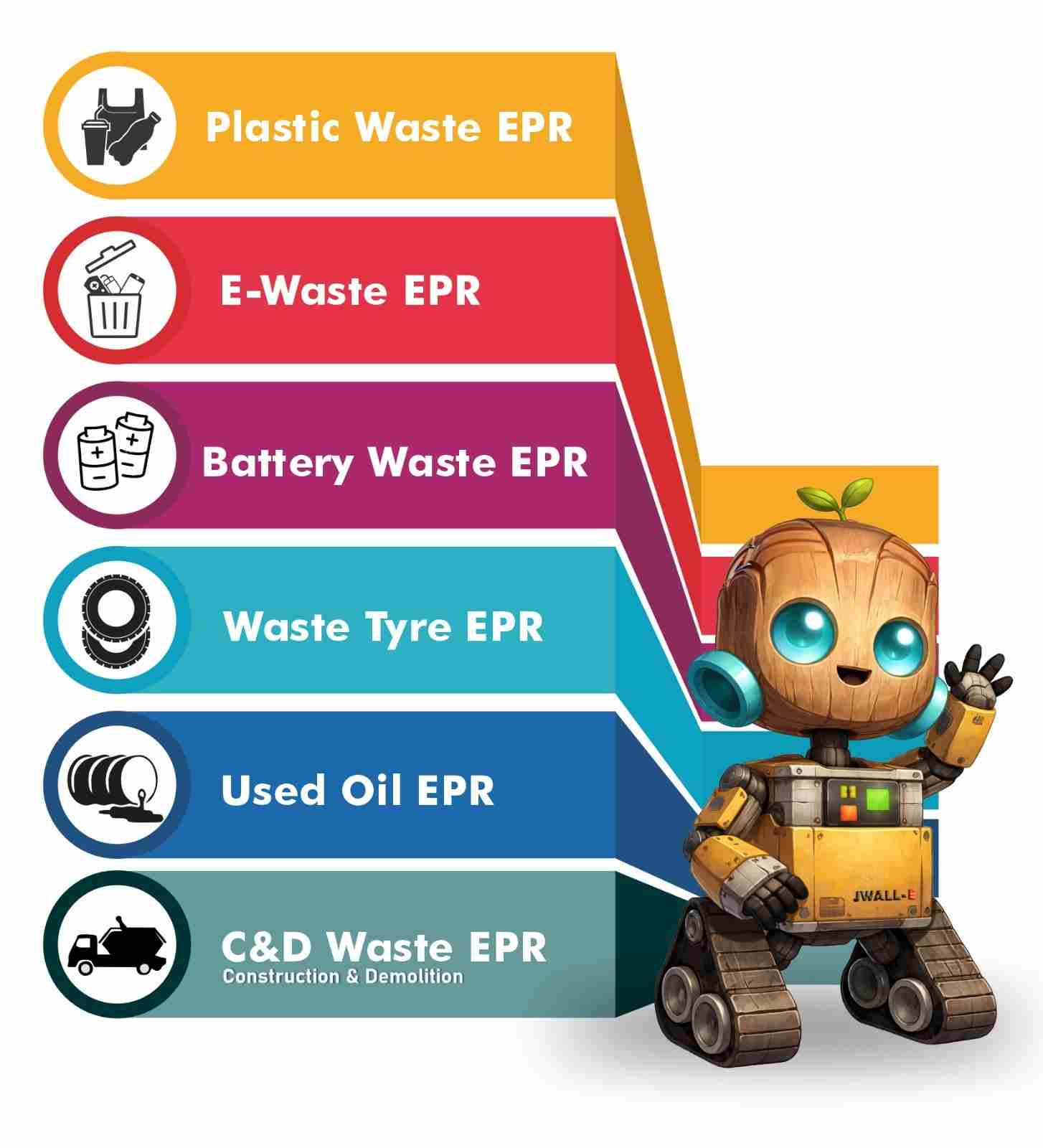
Extended Producer Responsibility (EPR) is an environmental policy framework introduced by the Government of India that makes producers responsible for managing the waste generated from their products after the end of their life cycle. Under this system, manufacturers, importers, brand owners, and other stakeholders must ensure proper collection, recycling, and environmentally sound disposal of waste generated from the products they introduce into the market. EPR is regulated by the Central Pollution Control Board (CPCB) and State Pollution Control Boards to ensure compliance with environmental regulations. The objective of EPR is to promote sustainable waste management, reduce environmental pollution, and encourage recycling and reuse of materials in order to support a circular economy.
Objectives of EPR
The major objectives of Extended Producer Responsibility include:
- Reducing environmental pollution caused by waste.
- Promoting recycling and reuse of materials.
- Reducing dependency on landfills.
- Encouraging environmentally responsible product design.
- Ensuring safe disposal of hazardous waste.
- Supporting sustainable waste management systems.